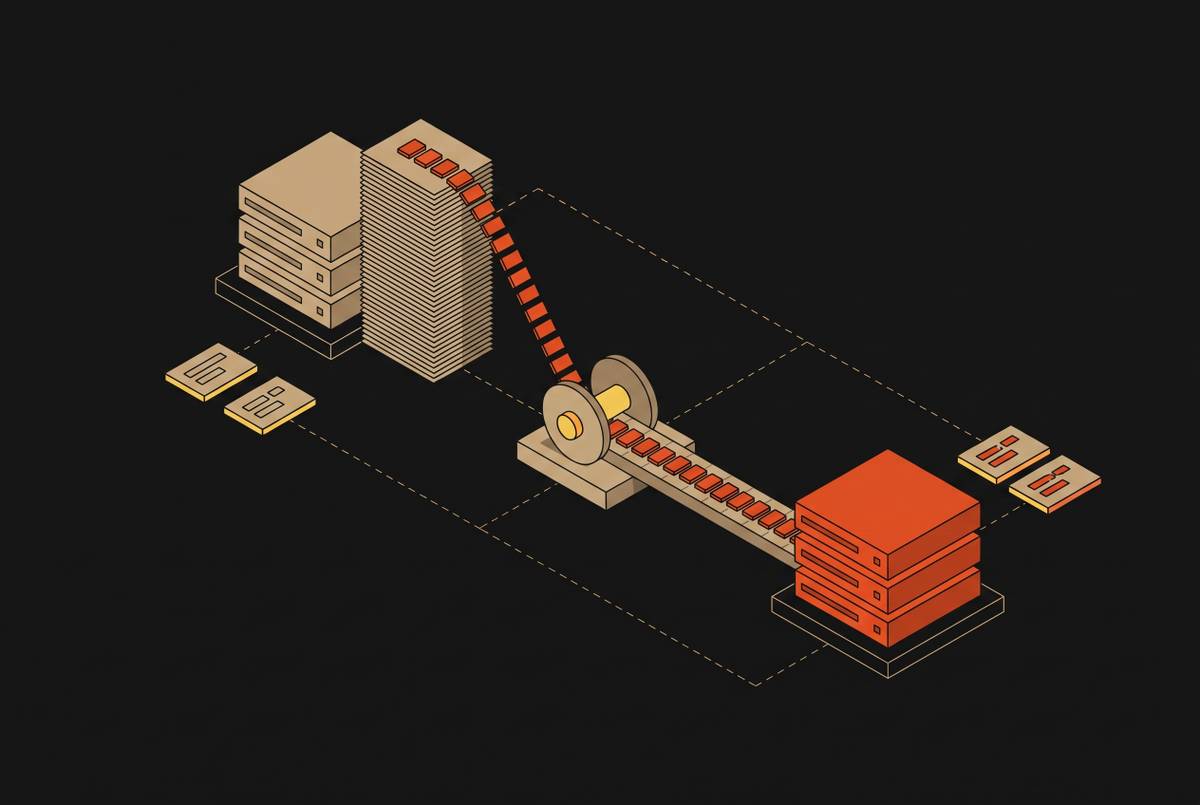
TTL Expression Gaps That Cause Silent Data Loss During a Parallel Run
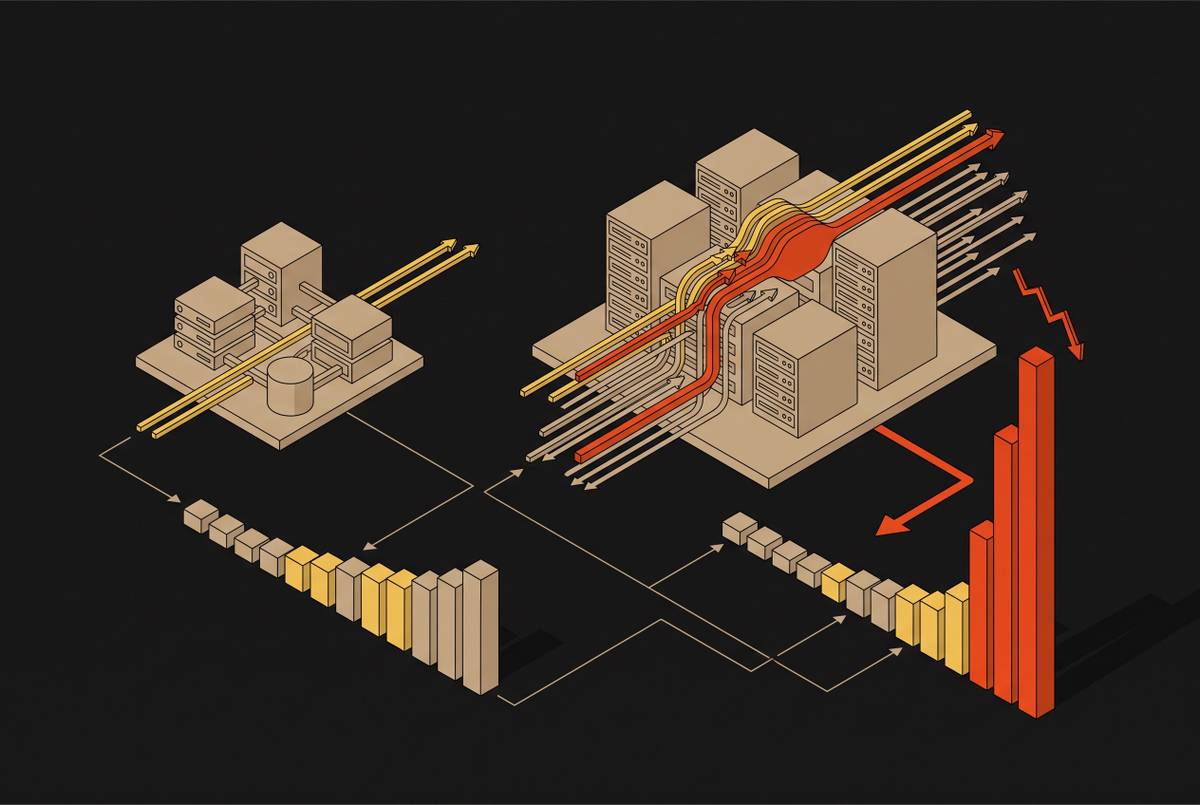
Parallel runs expose TTL metadata gaps that silently delete rows without warnings or errors.
Priya Venkatasubramanian
Section
16 stories in Features.
Parallel runs expose TTL metadata gaps that silently delete rows without warnings or errors.
Test whether a database change survives real production traffic.
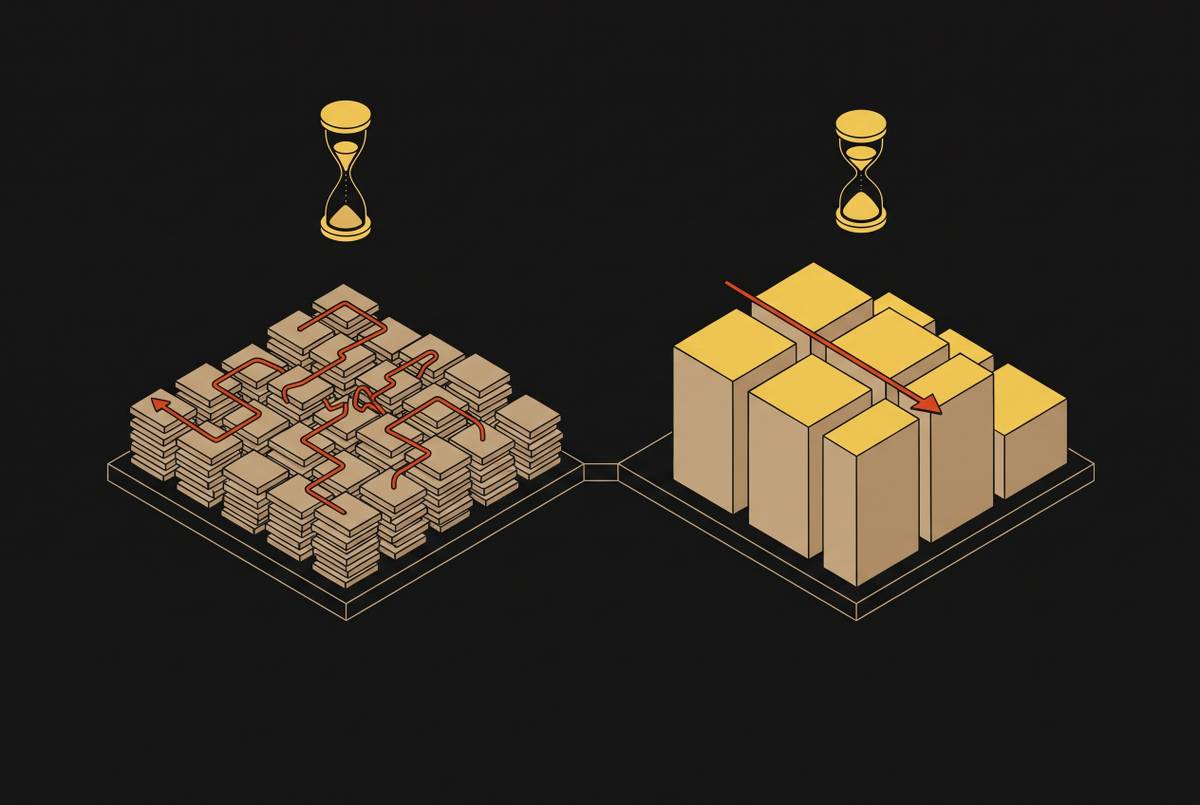
Thousands of small parts slow reads far more than the data volume itself.
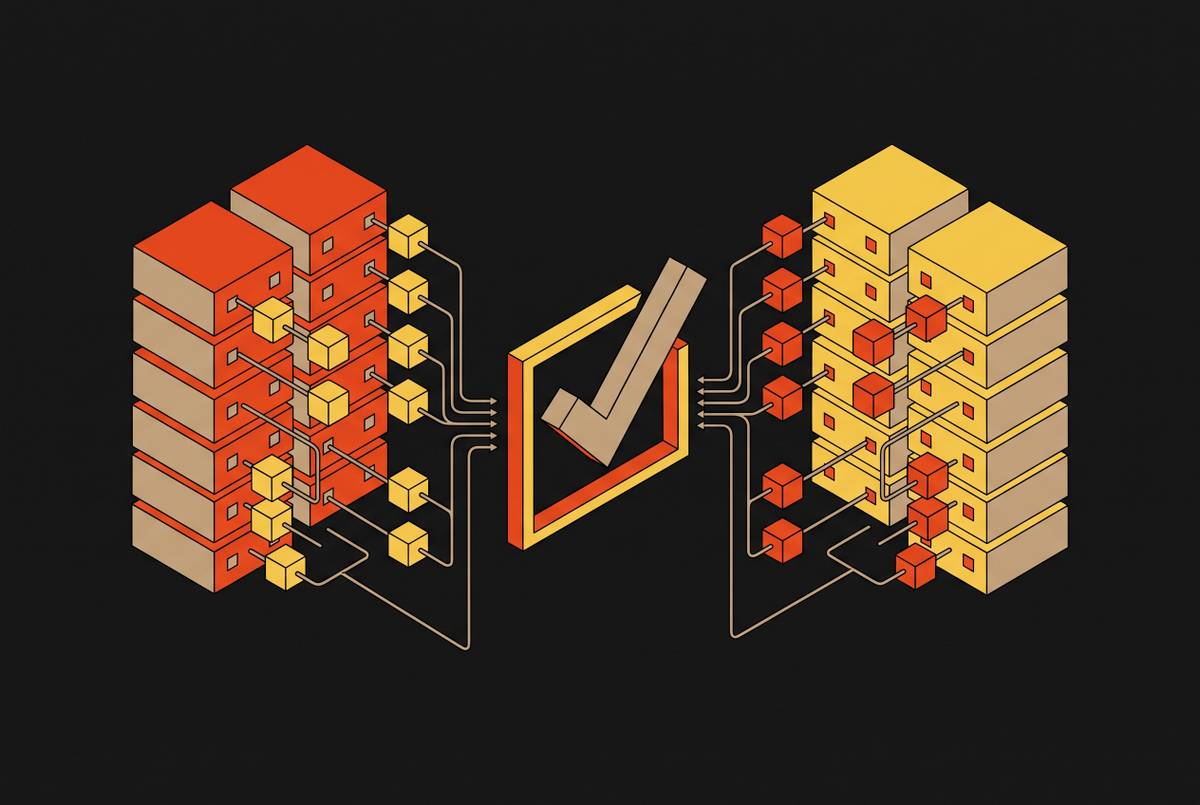
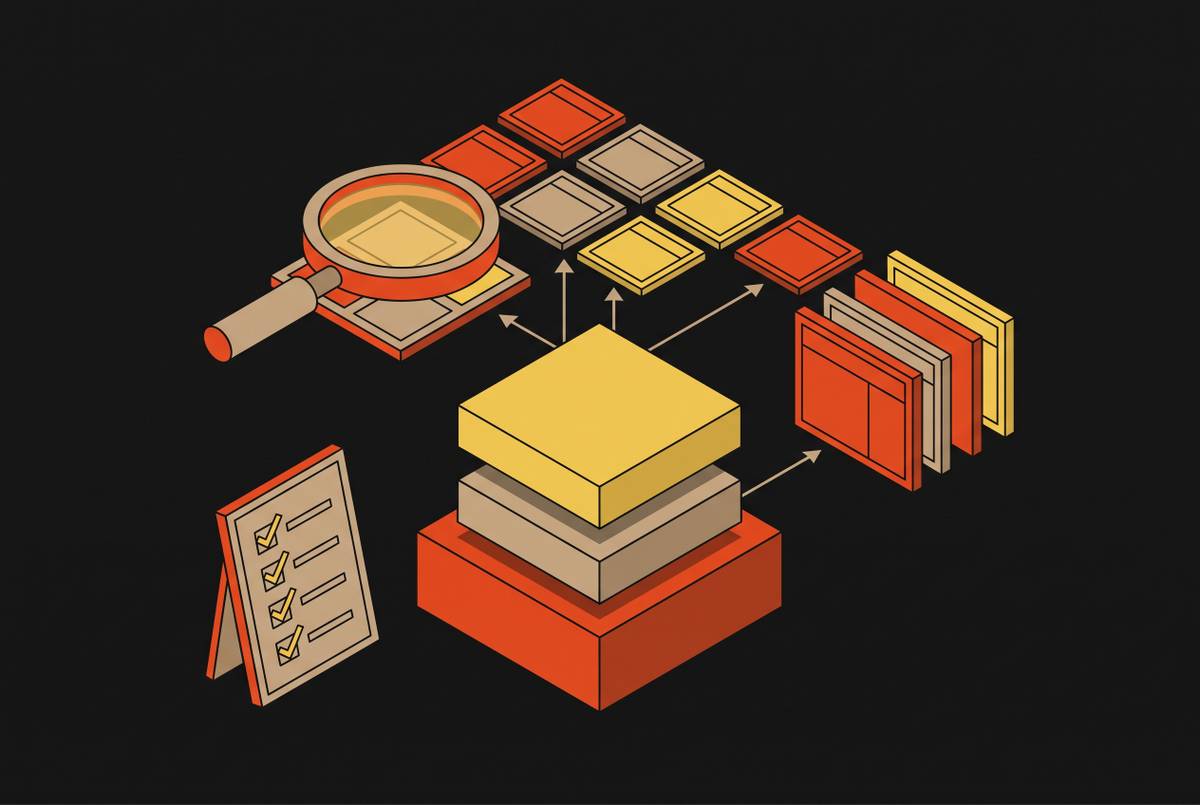
A layered validation approach catches aggregation errors that single checks always miss.
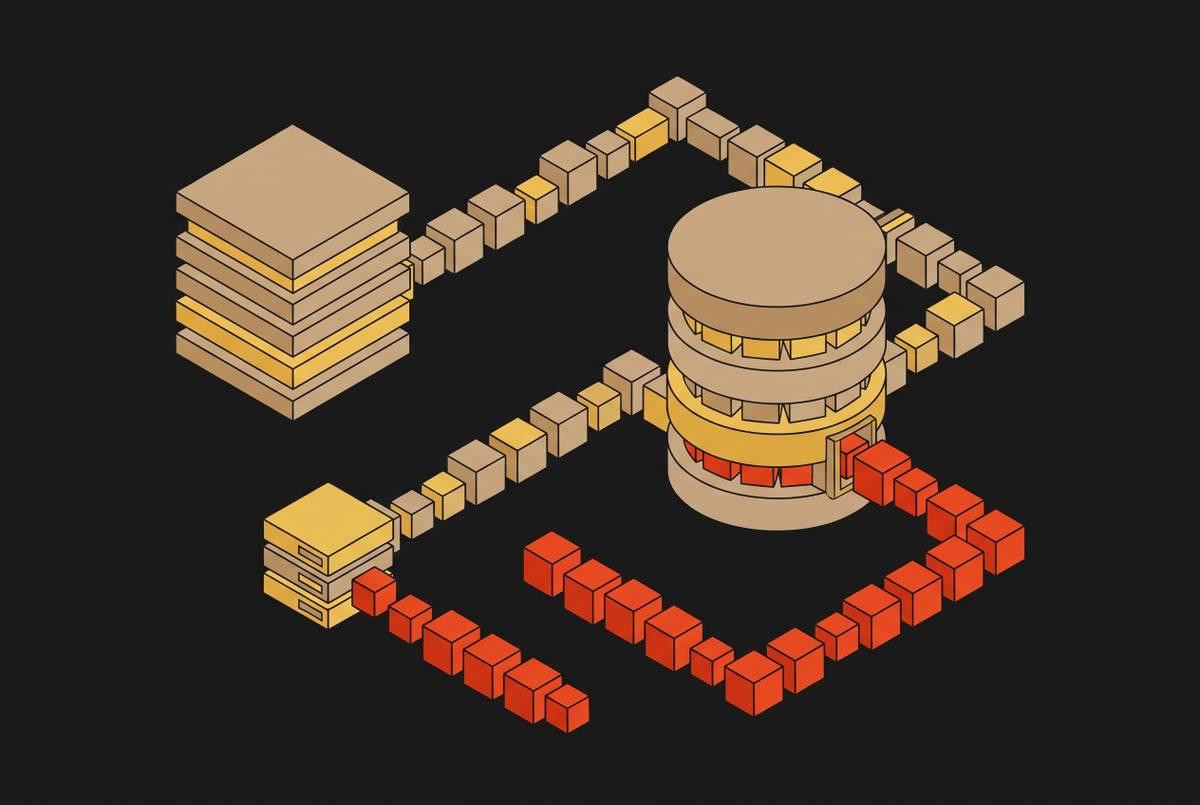
Coordinate idempotency, throttling, and isolation to safely backfill without stalling live writes.
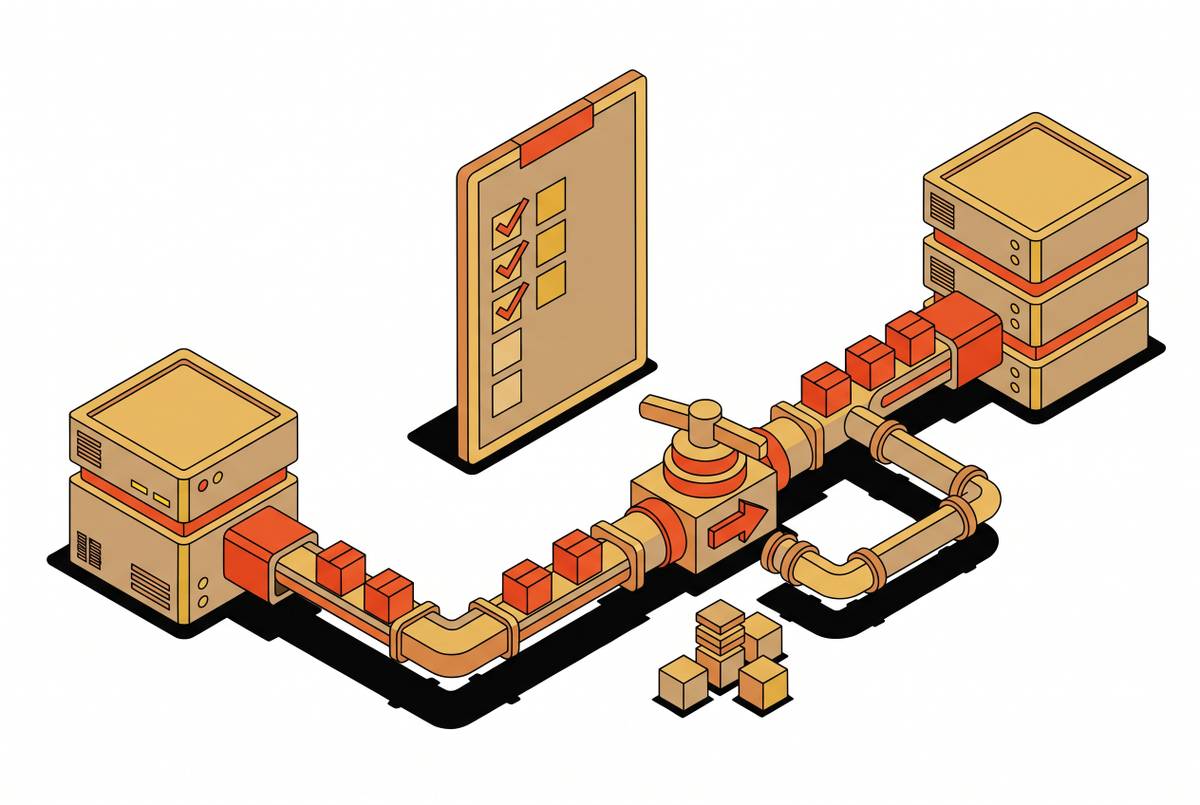
A sequenced checklist turns high-risk pipeline moves into controlled operations.
Test refresh reliability, correctness, and routing before switching queries to the view.
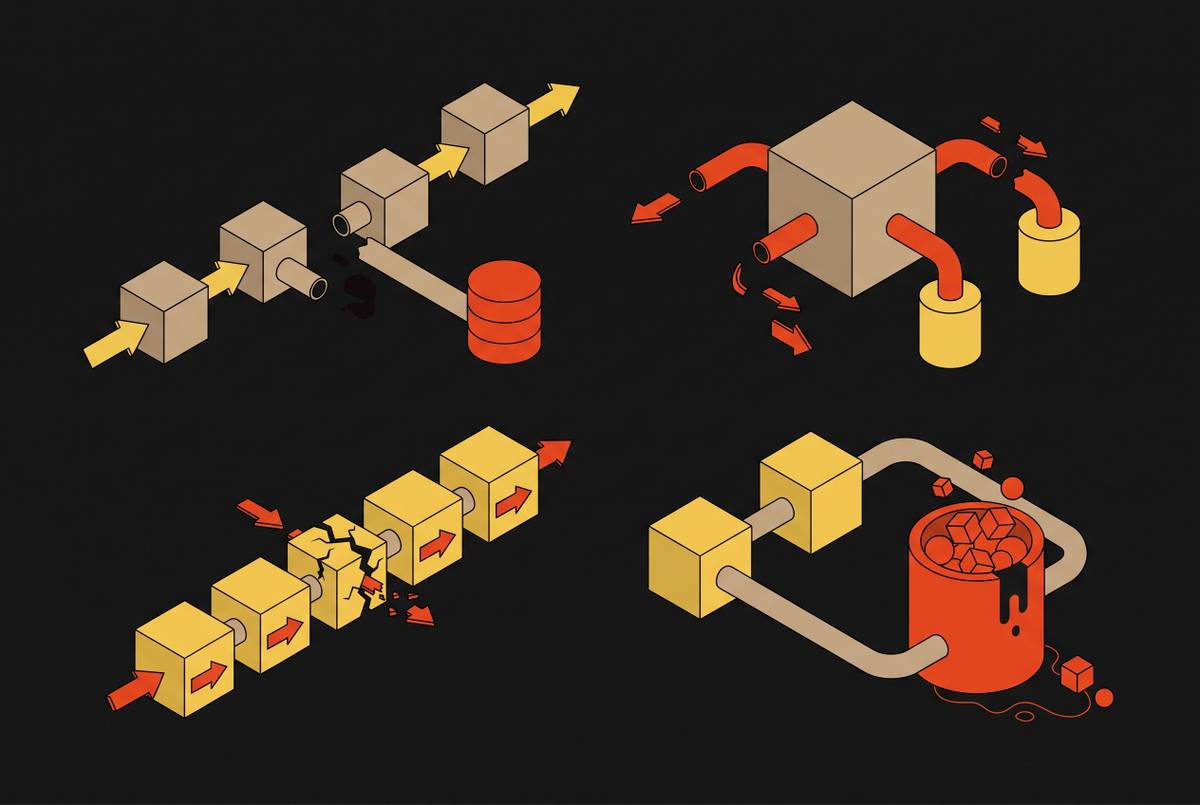
Choose your pipeline pattern based on which failure mode you can afford, not which sounds fastest.
Profile your actual workload before cache-sizing decisions, not just hardware specs.
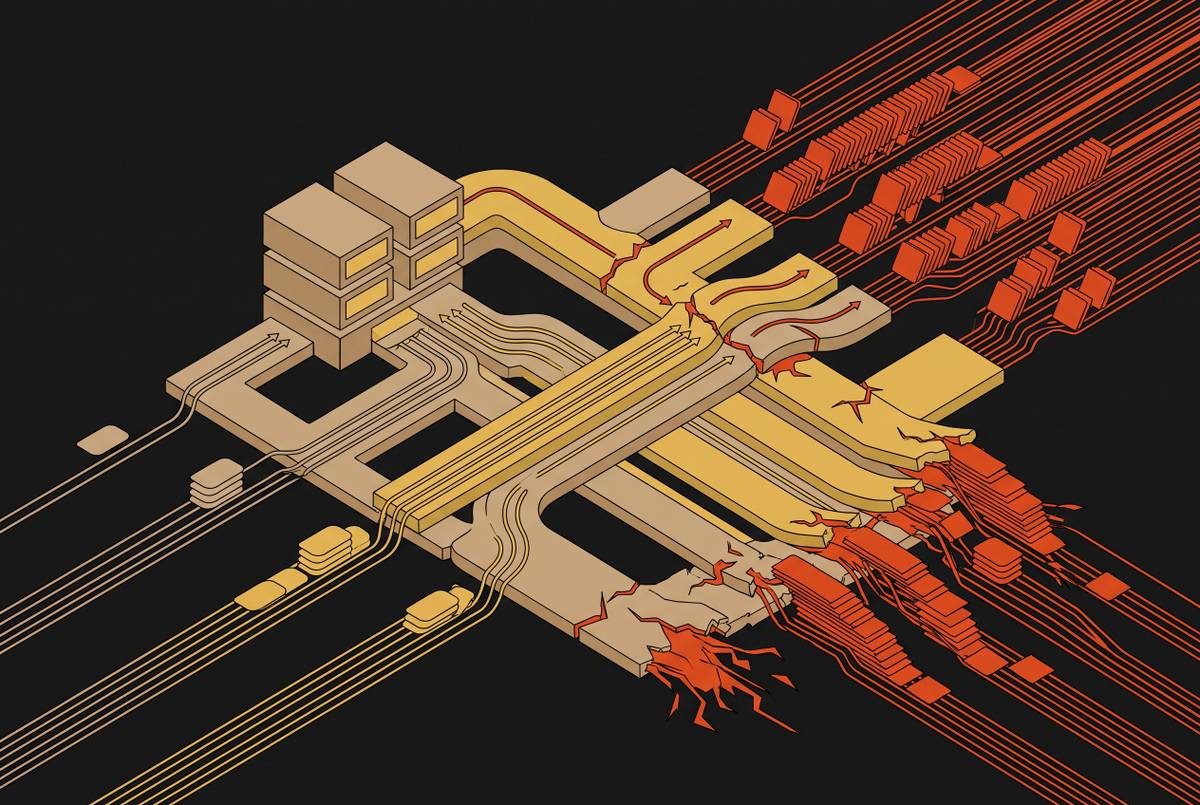
Analytics databases now face machine-driven queries that violate three core design assumptions.
Staging environments don't replicate the shard fan-out and contention that reveal real tail latency.
Hidden query costs multiply when volumes scale beyond manual controls and caching breaks.
S3 routing multiplies latency penalties across your cluster as it grows instead of reducing it.
Test a database provider swap against real traffic before fully committing.
Some MergeTree settings vanish, lock, or silently override when moving to managed platforms.
Rewriting sort keys and shard logic prevents silent performance cliffs during OLAP migrations.